
You already have the photos. You do not have the record.
Photographing freight to defend claims has been standard practice since around 2018, it works, and it saves money. This is not a pitch to start doing it. It is about the gap between having photos and having evidence.
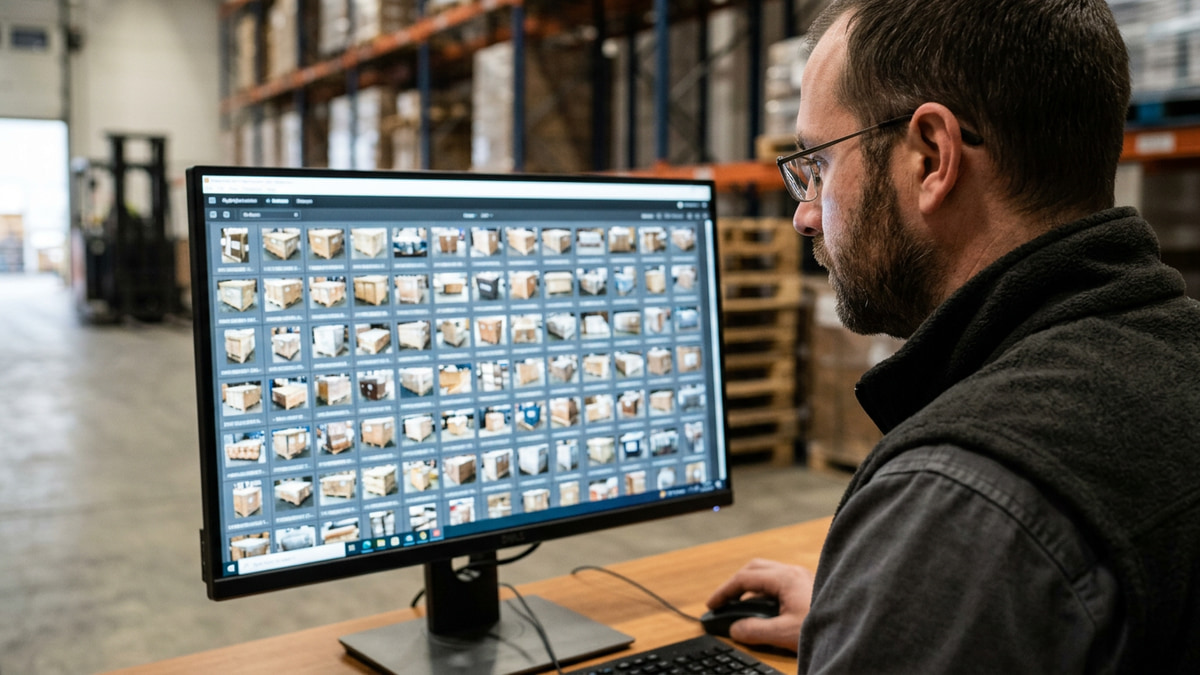
A folder of images is not a record
When a claim opens, somebody has to find the relevant photos, work out what they show, decide whether that supports or undermines your position, and write it up. That is hours of skilled work per claim, and it is why so many claims below a certain value are simply paid — defending them costs more than conceding.
The photos were never the missing piece. The missing piece is the structured statement of what is in them, made at the time, by something that looked at all of them rather than the handful pulled after the fact.
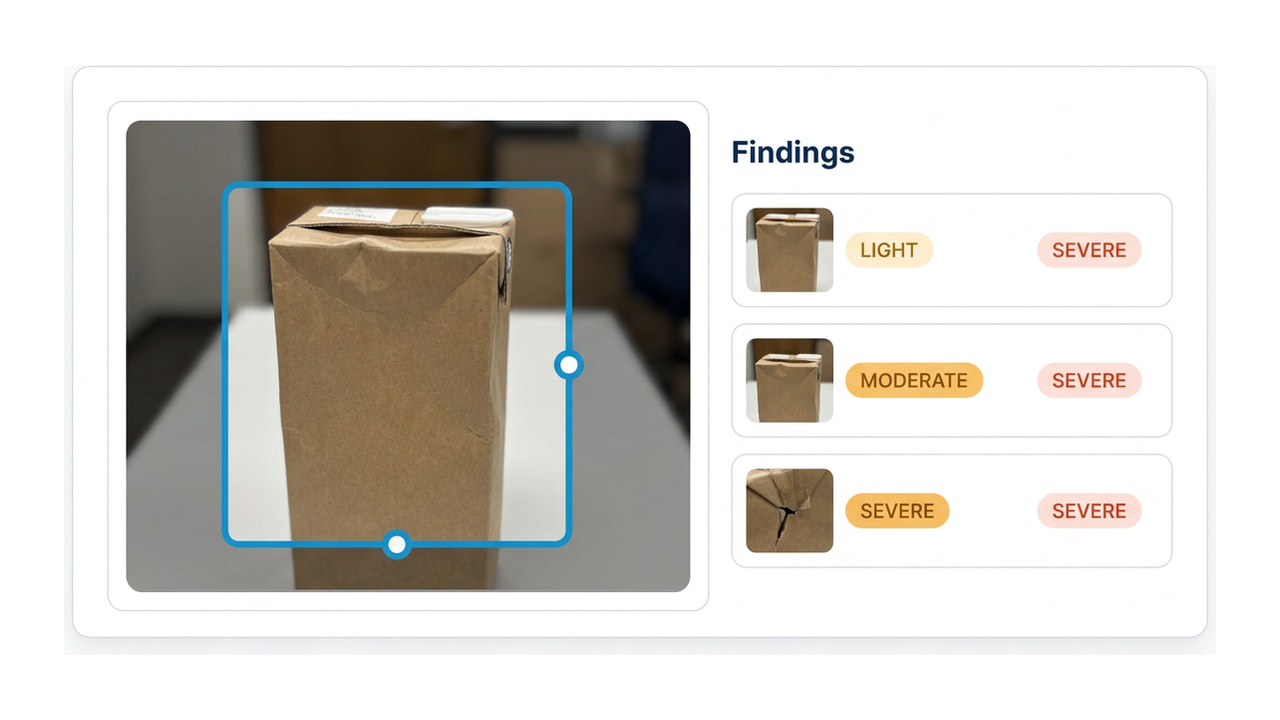
That is what this produces as a side effect of doing damage detection: every photo carries a verdict, a severity, a description, and a timestamp. When a claim arrives, the file has already been assembled.
What a claim file gets
Condition at a known time
Timestamped at capture, not at retrieval. The question in almost every dispute is when the damage appeared, and this is the only thing that answers it.
Findings, located and graded
Each finding described in a sentence and marked on the photo, so the file says "crushed lower left corner, moderate" rather than requiring someone to squint and characterise it.
The negatives, which matter most
A no-damage verdict on a photo taken at your dock is what defeats a claim for damage discovered downstream. Those records only exist if something read the clean photos too.
An honest boundary
This is not claims management software and it does not file, track or adjudicate anything. It produces the evidence layer that the claims process consumes.
It also will not turn a bad photo into a good one. Where the underlying photo cannot support a judgement, the record says so — which is more useful in a dispute than a confident description that does not hold up.
Questions about using this in disputes
Is a model-generated finding going to hold up against a carrier?
The photograph and its timestamp are the evidence; the finding is a description of what is in it, and anyone can look at the photo and check. The value is that the description was made at the time on every shipment, not reconstructed afterwards on the ones that became disputes.
Can we export this into our existing claims system?
Yes. Output is structured — verdict, severity, findings with locations, timestamps — and comes back over the API in a form you can store alongside the photo. See the API documentation for the exact shape.
Test it on a photo from a real dispute
Take one from a claim you have already settled and see whether the record it produces would have changed the argument.