
Catch inbound damage before the driver pulls away
Receiving is where liability transfers. Everything you notice while the truck is still at your dock is the carrier's problem; everything you notice afterwards becomes an argument about who did it.
The window is measured in minutes
Your team already photographs inbound freight — that part has been standard practice for years. The problem is what the photos are for. Today they are an archive: something to go back to when a dispute opens weeks later. They are not doing anything at the moment they are taken.
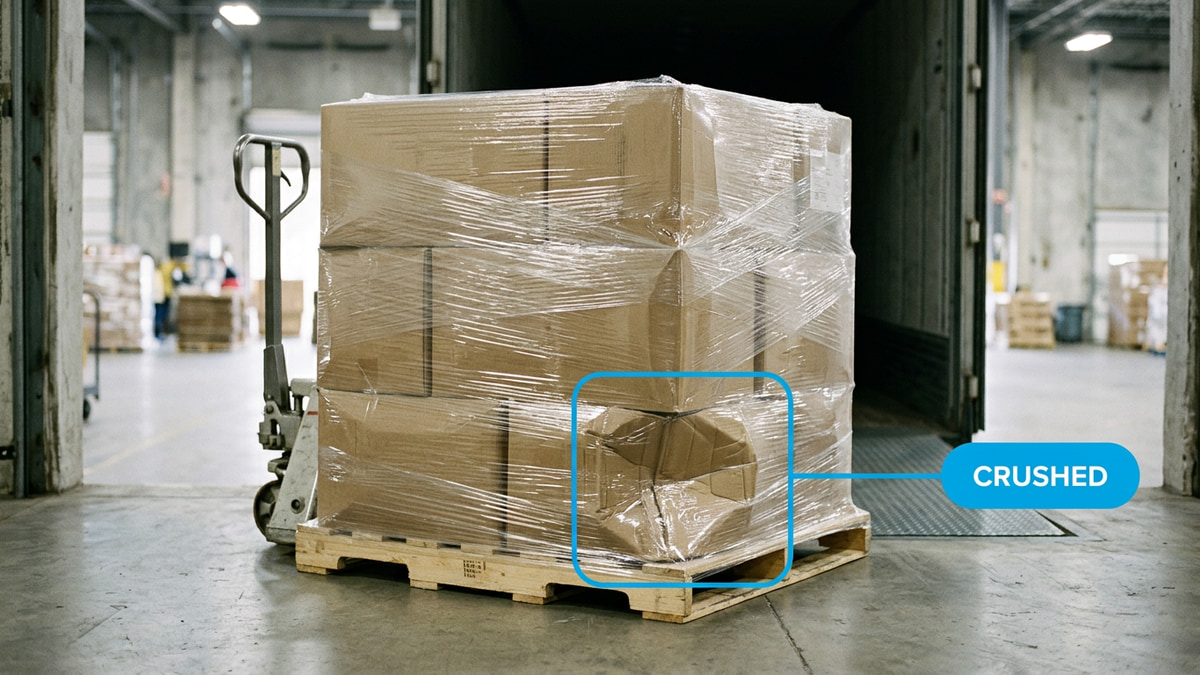
That is a waste of the most valuable window you have. While the driver is on site you can note an exception on the delivery receipt, refuse a pallet, or get a second photo from a better angle. Twenty minutes later you can do none of those things, and the conversation shifts from documented fact to your word against the carrier's.
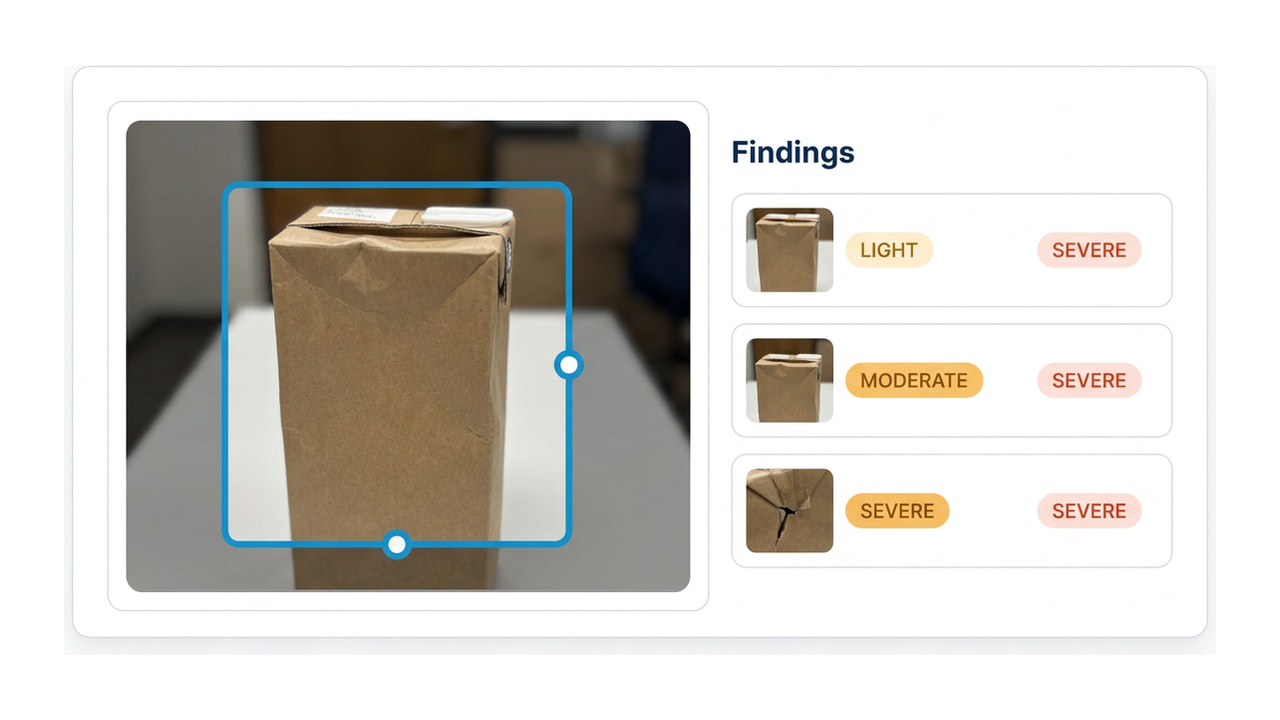
Teuscan reads each photo as it arrives and comes back in 1-2 minutes with what it found and how bad it is. Not an archive — a signal, while the signal is still worth something.
What this changes at the dock
Exceptions get noted correctly
A finding described in a sentence, with the damage located on the photo, is something a clerk can copy onto a delivery receipt without having to characterise it themselves.
Attention goes where it matters
Nobody reviews every photo of every pallet. Severity grading means the moderate and severe findings surface and the cosmetic ones go quietly into the record.
The clean receipts count too
A no-damage verdict, timestamped at your dock, is evidence of condition on arrival. That is the thing that stops damage found downstream from landing on you.
Questions from receiving teams
Our clerks already spot obvious damage. What does this add?
They do, and on a quiet morning they catch nearly everything. The failure case is not the obvious crush — it is the third truck of a busy afternoon, or the pallet that looks fine from the side that was photographed. This runs on every photo at the same standard regardless of the shift.
Do we need to photograph differently?
No. If the photo is good enough for a person to judge from, it is good enough here. If it is not, you get told that within the same 1-2 minutes, while a retake is still possible.
How does the alert actually reach the dock?
Wherever your team already looks — the notification goes out over the API to your WMS, a shared inbox, or a channel. We do that integration during the pilot and it is included.
Try it on a receiving photo
Upload one from your own dock and see the report you would have got. No sign-up.