
Prove it left you in good condition
Outbound photos are the ones that decide disputes. They are the last moment the freight was demonstrably yours, and the first thing anyone asks for when it arrives damaged somewhere else.
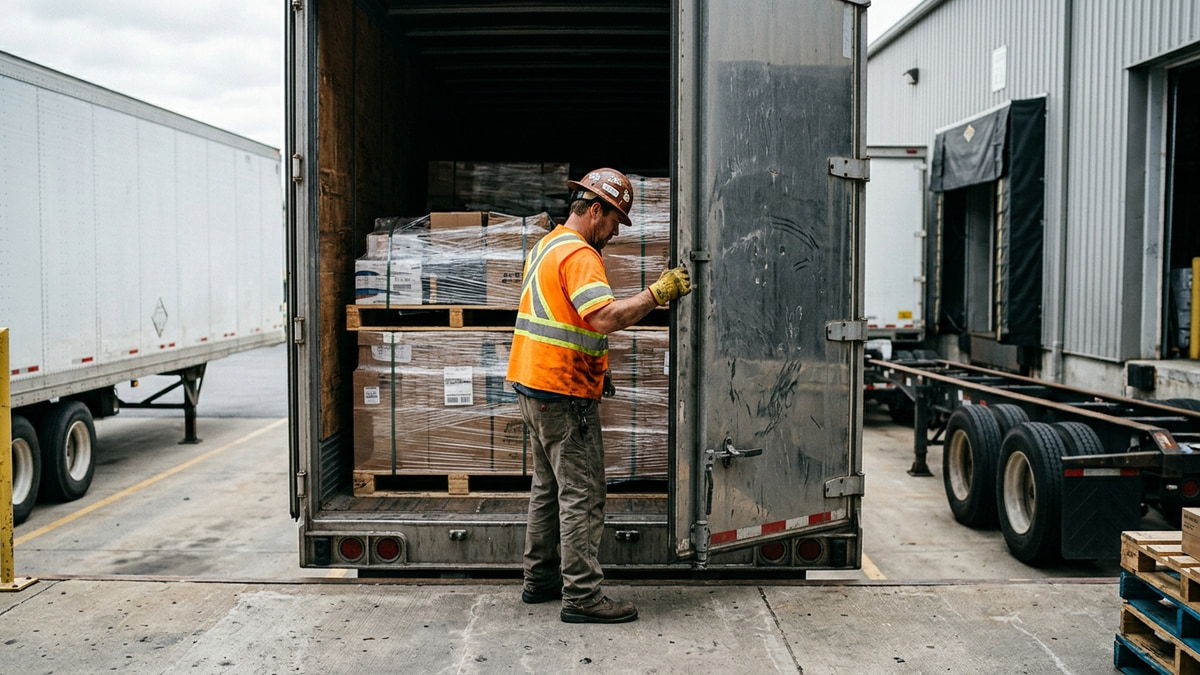
The photo you did not check is the one you will need
Loading photos get taken diligently and reviewed almost never. They are insurance, filed against a claim that mostly does not come. When it does come, months later, somebody pulls the batch and hopes.
Two things go wrong at that point. The freight was already damaged when it was loaded and nobody noticed, so the photo you are relying on actually proves the other side's case. Or the photos are unusable — dark trailer interiors are the single worst photographic environment in the building — and you have nothing at all.
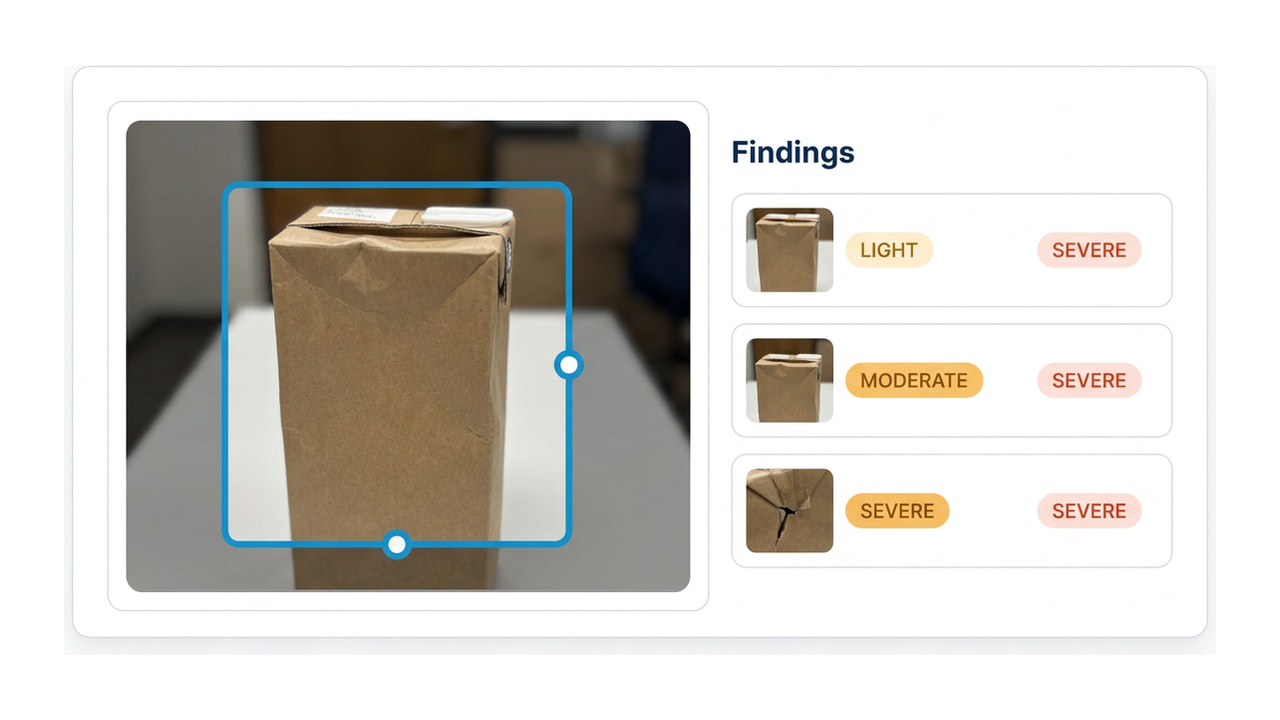
Checking at the moment of loading fixes both. A finding before the trailer is sealed is a decision you can still make; a quality warning before the driver leaves is a retake that takes thirty seconds.
Two failures, one check
Damage you shipped without meaning to
Freight that arrived damaged, or was damaged in your building, and went out anyway because the load crew was looking at the count rather than the condition. Discovered now, it is a conversation with your customer. Discovered on arrival, it is a claim.
Evidence that cannot be used
Trailer interiors are dark, and phone photos taken in them are frequently unusable. The quality check flags that in the same 1-2 minutes, while the trailer is still at the door.
Questions from shipping teams
Our loaders are not going to wait for an analysis.
They should not have to. The check runs behind the process — the loader photographs and moves on, and the finding reaches a supervisor. The only case that interrupts anything is a severe finding, which is the case you want interrupted.
What about full trailer loads where you cannot see individual pallets?
Then you get what is visible, which is what the photo shows anyone. This is not X-ray — it reads the same picture your team took, to the same standard a person could, just on every one of them.
Check an outbound photo
Upload one taken in a trailer and see both verdicts — damage and whether the photo is usable at all.