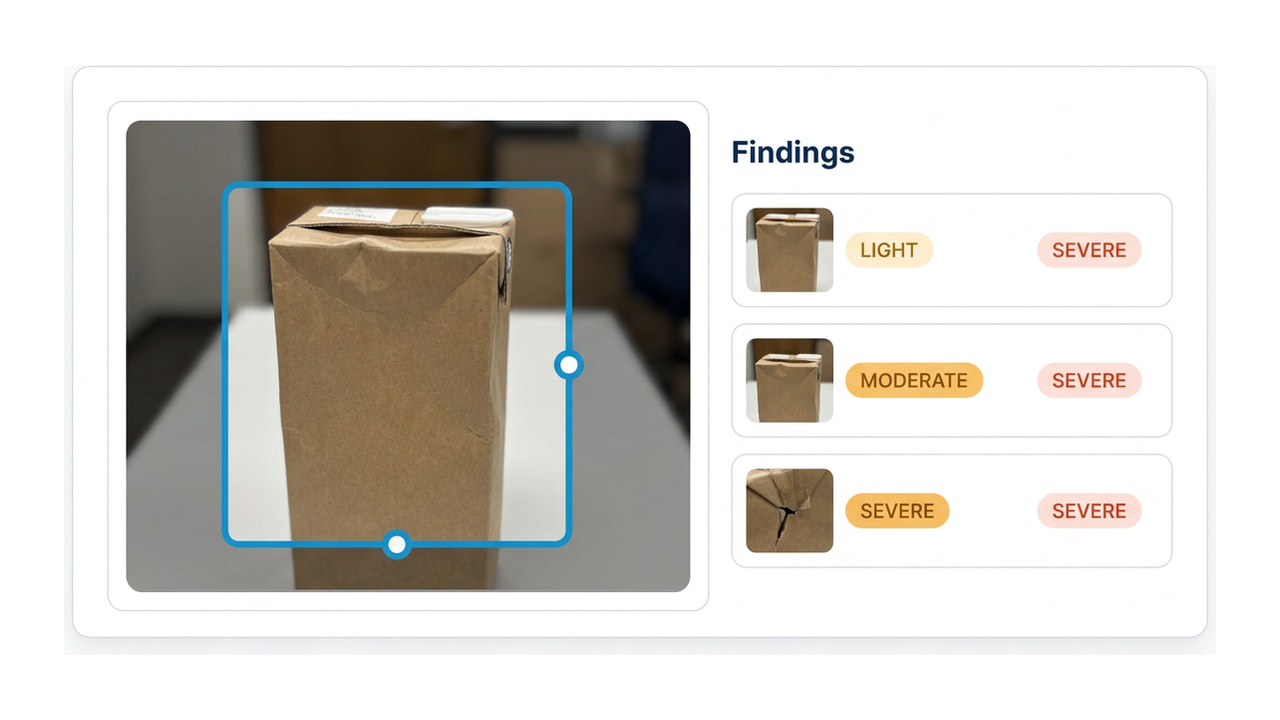

Every transfer is another chance to be blamed for it
Less-than-truckload freight is handled repeatedly — loaded, unloaded, re-sorted and re-loaded at every terminal between origin and delivery. Each handling is a chance for damage, and each one is a chance for the damage to be attributed to the wrong terminal.
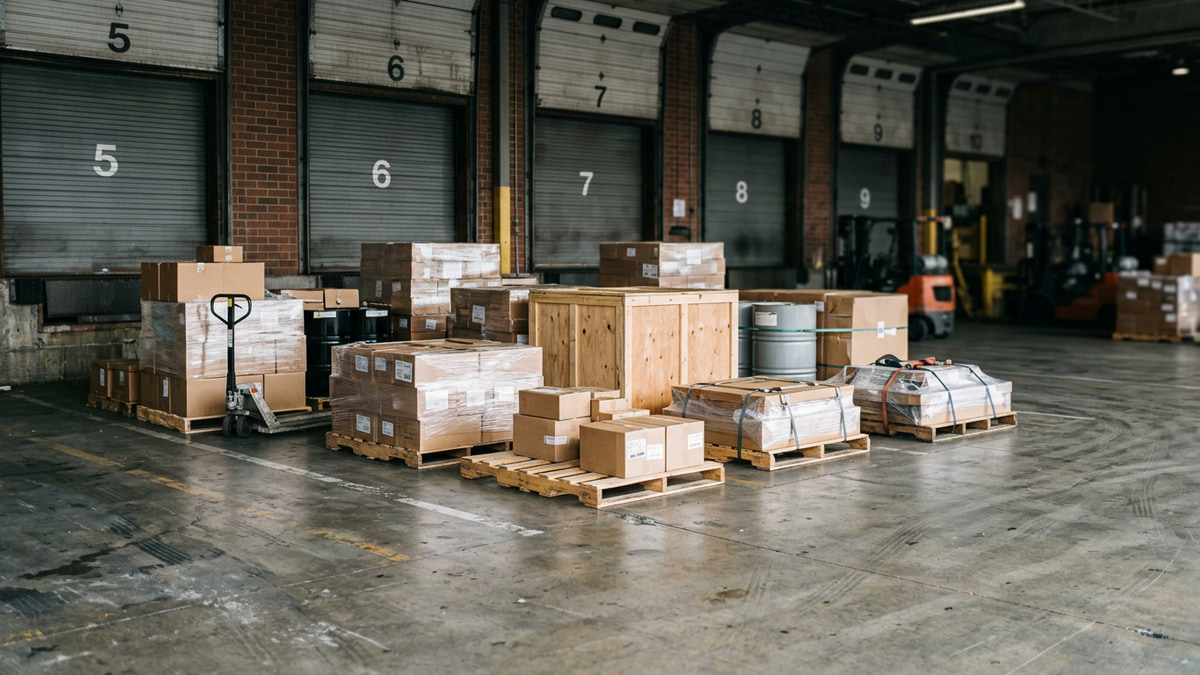
The claim always lands at the end of the chain
By the time damage is discovered at delivery, the freight has been through several buildings and several crews. Reconstructing where it happened means pulling photos from each terminal, if they exist, and comparing them by hand — a job that costs more than most claims are worth, so it usually does not happen. The claim gets paid, or fought on general principles.
The photos are largely being taken already. What is missing is anything that reads them at the moment of transfer, so that each terminal hands off a graded condition record along with the freight.
With that in place a damage claim resolves into a question with an answer: it was intact leaving terminal A, damaged arriving at terminal C. That is worth more than the individual claim, because it also tells you which lane or which crew is generating them.
What a per-transfer record gives you
Attribution that holds up
A timestamped, graded record at each transfer replaces an argument about probability with a comparison of two photos.
Patterns you can act on
One damaged shipment is noise. The same terminal appearing repeatedly in the gap between intact and damaged is a process problem you can fix.
Fewer claims paid by default
A meaningful share of claims are conceded because defending them is not economic. Evidence that assembles itself changes that maths.
Questions from LTL operations
Not every terminal photographs consistently.
Then the record has gaps, and the gaps themselves are informative — a terminal with no condition record is the one you cannot defend. Starting with the highest-claim lanes is usually more productive than trying to fix every site at once.
Does this integrate with our existing systems?
It works over the API against whatever already holds the photos. We do the integration work ourselves and it is included — that is the part competitors charge a project fee for.
See what a transfer record looks like
Upload a terminal photo and get the graded report back. No sign-up.