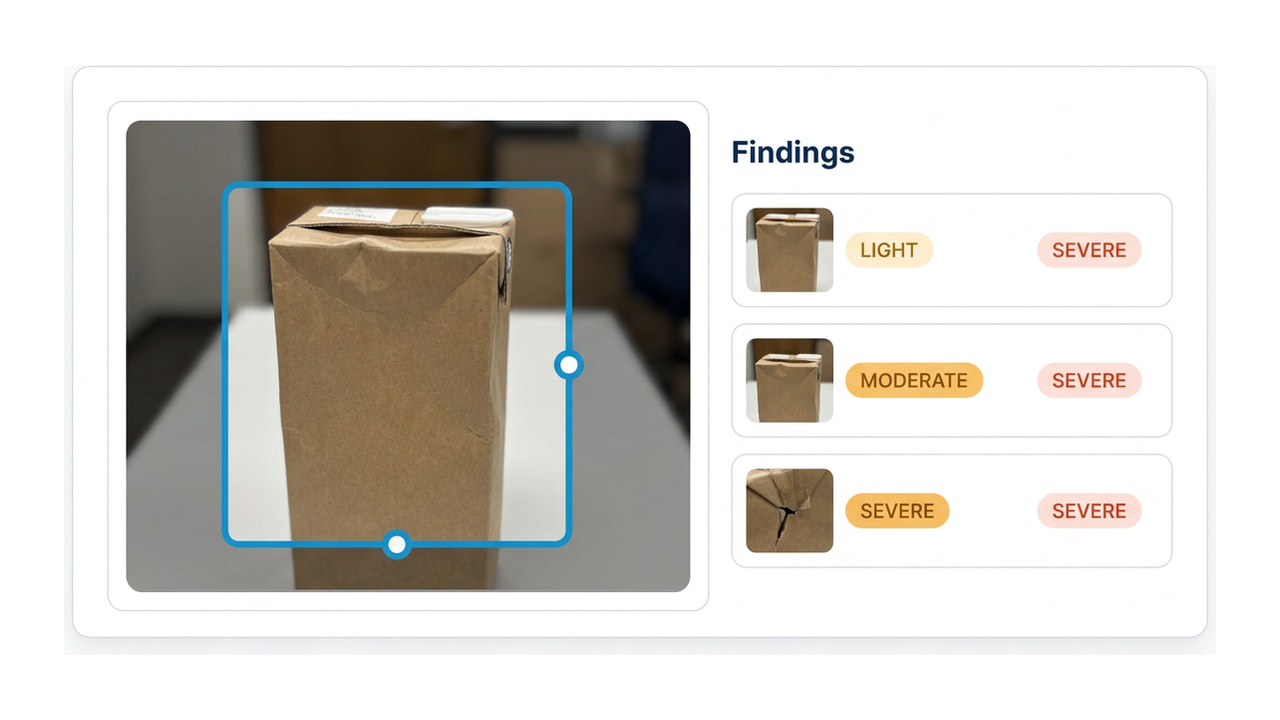

The photos are all there. Nobody is looking at them.
A distribution center generates more freight photography in a week than a person could review in a month. The archive is complete and effectively unread — which means it defends claims after the fact but prevents nothing.
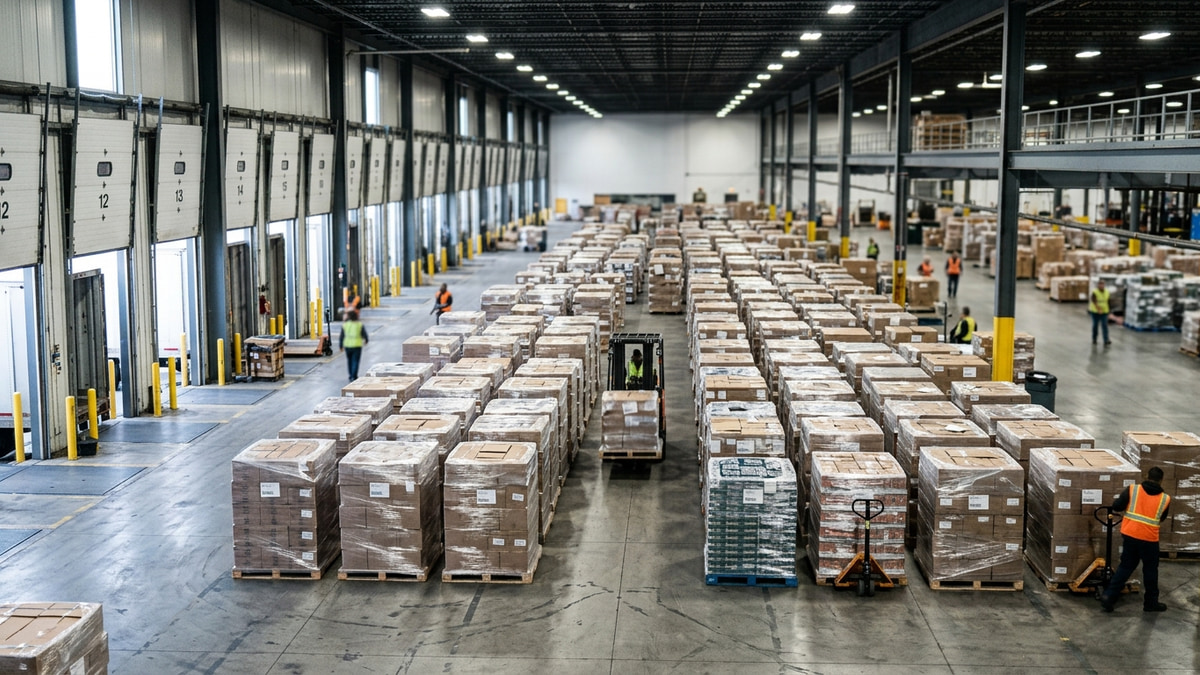
Volume is what breaks manual review
Every operation says it checks its photos. What that means in practice is that someone checks when there is a reason to — a driver flagged something, a customer complained, a pallet looked wrong. The other ninety-something percent are captured and filed unseen, and any damage in them is discovered by the customer.
This is not a discipline problem and hiring will not fix it. The volume is genuinely beyond what human review can cover, which is exactly the shape of problem to automate.
Reading all of them changes what the archive is for. Instead of evidence you retrieve after a dispute, it becomes a stream of graded findings, most of which are nothing and a few of which you would very much like to know about today.
What changes at DC scale
Coverage stops depending on attention
Every photo gets the same read, on the third shift as on the first, on the four hundredth pallet as on the fourth.
The alert volume stays sane
Severity thresholding is the control that makes this usable at scale — record everything, notify on moderate and above, and tune from there.
Cost tracks usage
Per-image pricing beyond the included volume, so a high-volume site pays for what it sends rather than for a platform licence. The numbers are on the pricing page.
Questions from DC operations
We are not Amazon-scale but we are not small either. Is this built for us?
Small and mid-size US operations are exactly the target. The competitors in this category are built around enterprise procurement and fixed installations; this is deliberately the opposite — software over photos you already take, running the day you connect it.
Can we start with one site?
That is the normal way in. A pilot on one building, on your own photos, and you find out whether the findings are worth anything before anything is rolled out anywhere else.
Start with one building
Upload a photo now, or send a batch and I will run them and show you what a day of your volume looks like.