
Hours on your floor, and all of the liability
Cross-docking compresses everything. Freight arrives, gets sorted, and leaves the same day — which means the window to notice damage, decide what to do about it, and tell someone is a few hours wide at most.
Speed is the whole business, and the whole problem
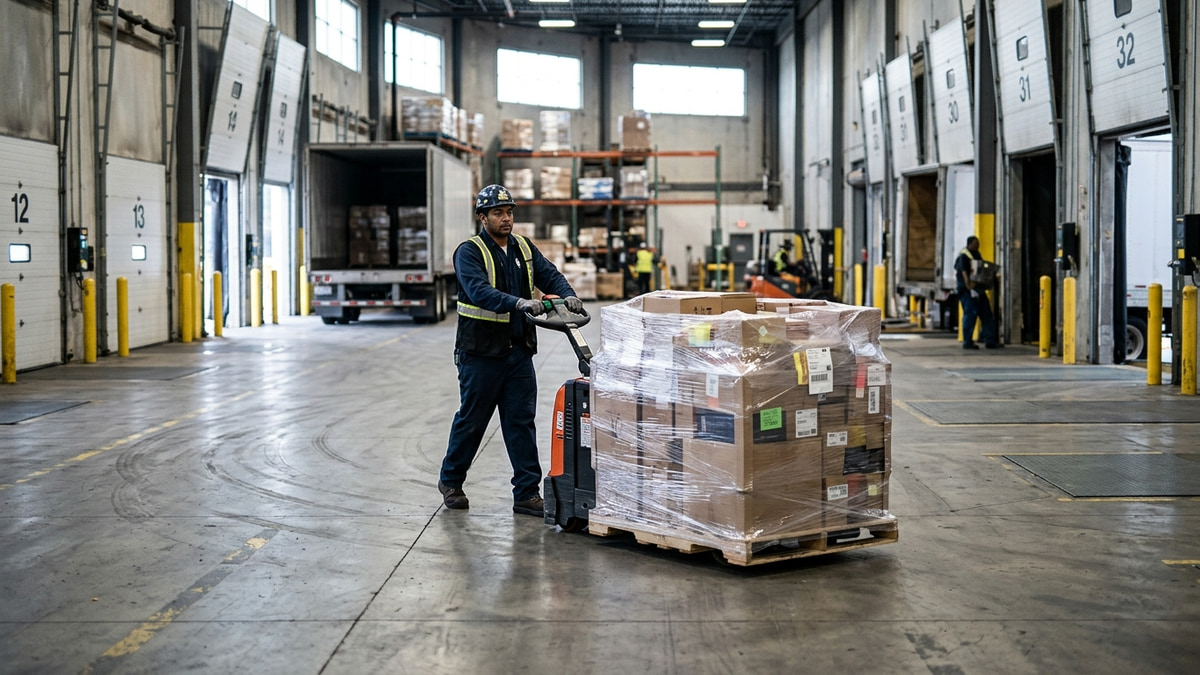
A cross-dock is judged on how quickly freight moves through it. Anything that slows the flow — including stopping to inspect a questionable pallet — costs the thing the operation is being paid for. So inspection tends to be exactly as thorough as the schedule allows, which on a bad day is not very.
Damage then surfaces at the destination, days later, on freight that passed through your building and two others. You are in the dispute regardless of whether you caused it, and the only thing that gets you out of it is a record of condition when it arrived and when it left.
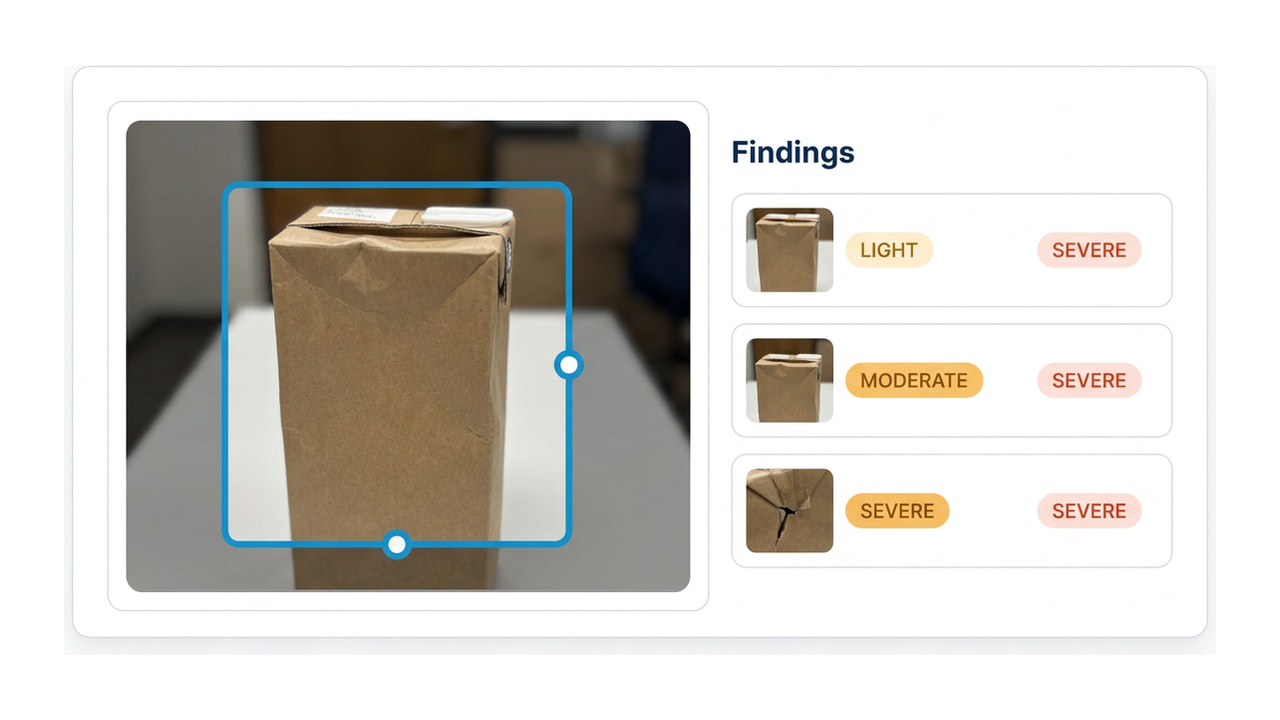
Detection that returns in 1-2 minutes is fast enough to fit the flow rather than fight it. Photograph inbound as you already do, and the finding arrives while the freight is still being sorted — early enough to pull a pallet, note an exception, or photograph it again before it goes out the other side.
Both sides of the dock
The pair of records is what makes a cross-dock defensible. Either one alone leaves the same argument open.
Condition in
What arrived, from which carrier, with what already wrong with it. Graded, described and timestamped without anyone stopping to write it up.
Condition out
What left, on which outbound trailer. If the two records match, damage discovered downstream did not happen here, and you can show that rather than assert it.
The gap in between
When the two do not match, you know it happened on your floor, in a window of hours, which is short enough to actually investigate.
Questions from cross-dock operations
We cannot add steps. Does this slow the dock down?
It adds nothing to the floor process. The photos are the ones you already take; the analysis happens after the shutter, not before the forklift moves.
Freight moves faster than 1-2 minutes sometimes.
Sometimes, yes — and then the value is the record rather than the intervention. The finding still lands before the outbound trailer is sealed in most cases, and always before the customer calls.
Test it against your turn times
Upload an inbound photo and watch how long the report actually takes. No sign-up.